Embraco Compressors for Every Refrigeration Industry

Application-specific compressor solutions engineered for the temperature, capacity, and reliability demands of six core industry sectors.

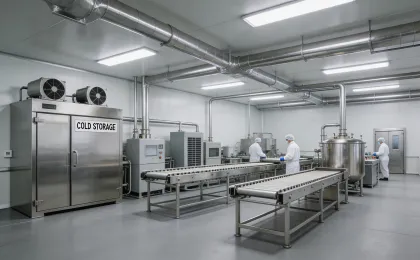
Food and Beverage processing facility

Food & Beverage Processing

Scroll and screw compressors for blast freezing lines, process cooling systems, and cold storage warehouses. HACCP-compatible designs with food-grade lubricant options and stainless steel service valves.
-40°C to +5°C HACCP Design R-290 / R-744
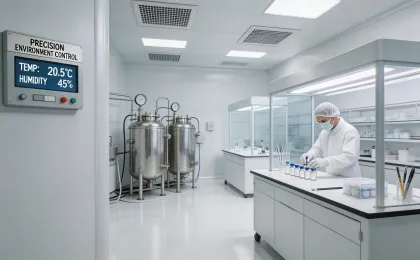
Pharmaceutical cold chain facility

Pharmaceutical Manufacturing

Low-vibration hermetic and scroll compressors for cleanroom air conditioning, vaccine cold chain storage, and API process cooling. Temperature stability within ±0.5°C at setpoint.
±0.5°C Stability Low Vibration GMP Compatible
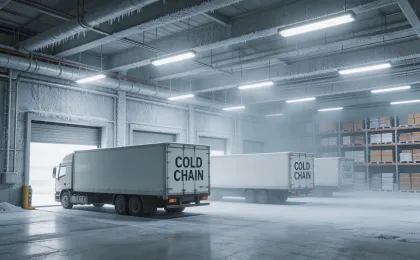
Cold chain logistics warehouse

Cold Chain Logistics

Semi-hermetic and screw compressors rated for continuous duty in distribution centers, cross-dock facilities, and transport refrigeration units operating in ambient temperatures up to 55°C.
55°C Ambient Rating Continuous Duty Multi-Temperature
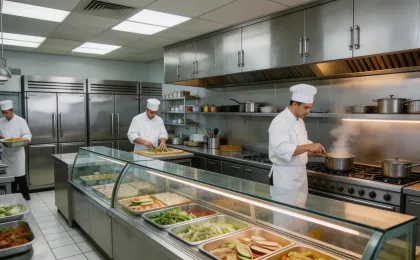
Commercial foodservice kitchen

Commercial Foodservice

Compact hermetic compressors for reach-in coolers, undercounter freezers, and glass-door display merchandisers. Optimized for quiet operation in customer-facing environments.

Low Noise <45 dB(A) Compact Footprint R-290 Ready
Data center precision cooling

Data Center Cooling

High-reliability scroll compressors with inverter drive technology for precision air conditioning and in-row cooling units. N+1 redundancy support with remote monitoring capability.
Variable Speed N+1 Redundancy Remote Monitoring
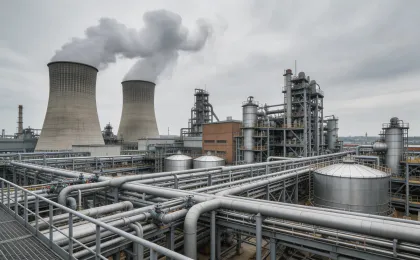
Industrial process cooling

Industrial Process Cooling

Heavy-duty screw compressors for petrochemical process cooling, cascade refrigeration systems, and low-temperature industrial applications down to -50°C evaporating temperature.

-50°C Evaporating Cascade Systems ATEX Available

Refrigeration System Architecture: Selection Factors

Large facilities must choose between centralized and distributed refrigeration architectures. The optimal choice depends on facility size, expansion plans, and risk tolerance.

Centralized Plant Architecture

Higher overall system COP (typically 15-20% better than equivalent distributed capacity), centralized maintenance access reducing total labor hours, lower total refrigerant charge per kW of cooling capacity, and easier integration with heat recovery and thermal energy storage systems. Preferred for facilities above 500 kW total cooling load with stable long-term capacity requirements. Downside: single-point-of-failure risk requires N+1 compressor redundancy, and long refrigerant pipe runs increase leak probability and pressure drop losses.

Distributed Unit Architecture

Inherent redundancy — a single unit failure affects only its zone, not the entire facility. Lower initial piping cost (shorter pipe runs reduce both material cost and refrigerant charge), easier phased expansion as capacity needs grow, and reduced leak risk from shorter, fewer brazed joints. Preferred for multi-zone facilities with varying temperature requirements and phased construction schedules. Downside: higher total energy consumption from multiple smaller compressors operating at lower individual COPs, and distributed maintenance requires more service access points.

Embraco application engineers model both architectures against your facility's load profile, expansion timeline, and energy cost structure to quantify the total cost of ownership for each approach.

Need a Compressor Specified for Your Application?

Our industry-specialist engineers will recommend the right compressor platform for your operating conditions.

Consult Our Engineering Team